
Is Walnut Wood Food Safe for Cutting Boards?
Few kitchen questions generate as much quiet confusion as this one: is walnut wood food safe for cutting boards? At first glance, the concern feels reasonable. Walnut is dark. It contains natural tannins. It’s often associated with fine furniture rather than food preparation. Add a handful of myths about toxicity or staining and many people understandably hesitate before bringing a walnut board into their kitchen.
Yet walnut cutting boards have been trusted by chefs, woodworkers, and serious home cooks for decades. The disconnect lies not in the wood itself, but in a lack of clarity about how food safety actually works when it comes to cutting boards.
This guide addresses the concern directly. We’ll unpack why walnut is questioned, what makes a wood food safe in the first place, how walnut compares to other materials, and whether it holds up under real kitchen use—including raw meat. The goal is simple: to help you decide, with confidence, whether walnut belongs in your kitchen.
Key Takeaways
- Walnut is widely questioned for food safety, but when properly crafted and finished, it is a safe and trusted hardwood for cutting boards.
- Food safety depends more on grain structure, finishing method, and care than on wood colour or myths around tannins.
- Walnut’s closed-grain structure and natural antimicrobial properties make it suitable for everyday food prep and serving.
- Compared to plastic and bamboo, walnut avoids issues like microplastics, adhesives, and excessive knife wear.
- With proper cleaning and oiling, a walnut cutting board remains hygienic, durable, and knife-friendly for years.
Why Food Safety Matters When Choosing a Cutting Board
A cutting board is one of the most used surfaces in any kitchen. It comes into direct contact with raw produce, cooked food, bread, cheese, and often raw proteins. Because of that, the material matters far more than many people realise.
There are three major safety considerations when evaluating any cutting board material:
1. Bacteria retention
Every knife cut creates microscopic grooves. The deeper and more permanent those grooves are, the more likely they are to trap moisture and bacteria.
2. Surface degradation over time
Some materials wear in ways that compromise hygiene. Plastic, for example, accumulates deep scars that are difficult to fully sanitize. Glass and stone don’t scar, but they destroy knife edges and create safety issues of their own.
3. Chemical transfer
Modern kitchens are increasingly aware of what leaches into food. Microplastics from plastic boards and synthetic adhesives in composite materials are now legitimate concerns.
This is why hardwood boards consistently appear in discussions about the safest wood for cutting boards. When chosen correctly, they strike a rare balance: durable but forgiving, naturally resistant to bacteria, and free from the chemical issues found in many alternatives.
If food safety is your top concern, explore our complete guide to the healthiest cutting boards, where we break down the safest materials for everyday cooking and serving.
What Makes Walnut a Food-Safe Wood?

To understand whether is walnut wood food safe, you have to look at the physical and biological properties of the wood itself, not its colour or reputation.
Closed-Grain Structure
Walnut is a closed-grain hardwood. This is one of the most important factors in cutting board safety.
Closed-grain woods have pores that are small and tightly packed. This limits how much moisture, bacteria, and food residue can penetrate the surface. In contrast, open-grain woods like oak have visible pores that readily absorb liquids, making them unsuitable for cutting boards.
From a hygiene perspective, walnut behaves predictably and safely under repeated knife contact.
Natural Tannins and Antimicrobial Properties
One reason people question walnut cutting board food safe status is its tannin content. Ironically, those tannins are part of what makes walnut safer, not riskier.
Tannins are naturally occurring compounds found in many hardwoods. In walnut, they contribute to the wood’s natural antimicrobial behaviour. Multiple studies on hardwood cutting surfaces have shown that certain woods inhibit bacterial survival rather than encouraging it.
This is a key reason walnut is frequently included in discussions about non toxic cutting board wood.
No Synthetic Resins or Fillers (When Properly Made)
A critical distinction must be made here. Solid walnut boards that are properly handcrafted are food safe. Boards made with fillers, composite cores, or synthetic resins are a different category entirely.
When walnut boards are made from solid hardwood and finished with food-safe oils, there is nothing in the material itself that poses a health risk.
This is why craftsmanship matters. The safety of walnut cutting board health depends not just on the wood species, but on how the board is built and finished.
Walnut vs Other Woods for Food Safety
Walnut is rarely used in isolation. It’s often compared with other common materials, especially maple, bamboo, and plastic.
Walnut vs Maple
Maple is another closed-grain hardwood and is widely accepted as food safe. From a hygiene standpoint, walnut and maple are more similar than different. Both resist moisture, both are naturally antimicrobial, and both perform well under knives.
The difference lies more in hardness and aesthetics than safety.
If you want a deeper breakdown, our walnut vs maple cutting board comparison explains which wood performs best for safety, durability, and daily use.
Curious about which is the best wood for cutting boards? Read our page here.
Walnut vs Bamboo
Bamboo is often marketed as eco-friendly, but from a food safety standpoint it has drawbacks. Bamboo boards are extremely hard, which accelerates knife wear, and they are typically held together with adhesives. Those adhesives may not always be food-safe over time.
Walnut, by contrast, requires no binding agents and offers a more forgiving surface.
Walnut vs Plastic
Plastic boards are often assumed to be safer because they can be washed aggressively. In practice, knife grooves in plastic trap bacteria and can release microplastics into food.
For a deeper look at why material choice matters, our article on whether plastic cutting boards are safe explores the hidden health risks of microplastics in the kitchen.
Is Walnut Safe for Raw Meat?
This is one of the most common and practical questions: is walnut safe for cutting boards when handling raw meat? The short answer is yes, when cleaned properly.
Walnut’s closed-grain structure limits how deeply bacteria can penetrate. When washed with warm water and mild soap shortly after use, bacteria are removed effectively. Many chefs prefer hardwood boards precisely because they don’t retain moisture the way plastic does once scarred.
The key is routine hygiene, not the avoidance of walnut.
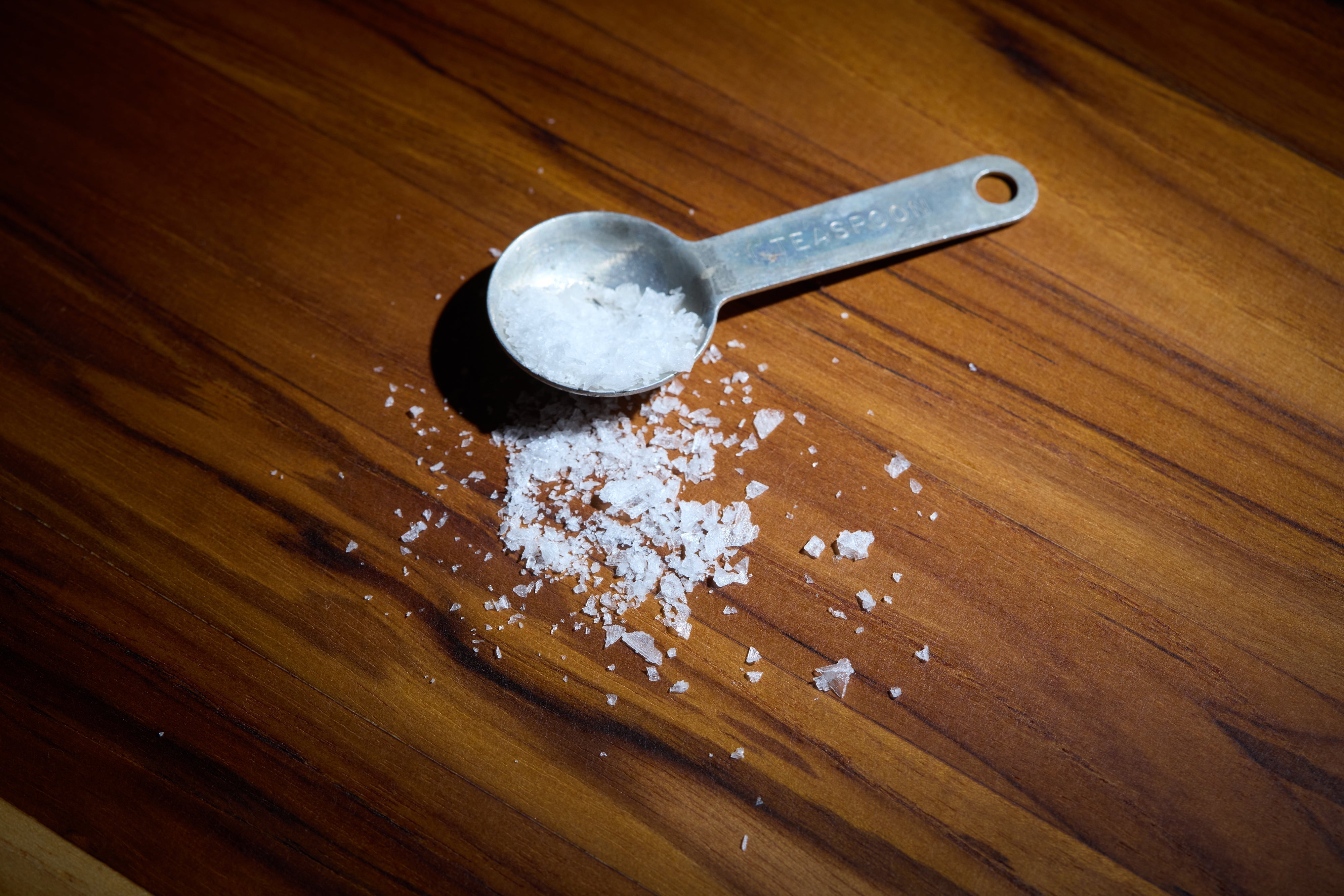
Avoid soaking the board, dry it upright, and occasionally sanitise with vinegar or a salt-lemon scrub. These steps are sufficient to maintain walnut cutting board food safe standards even with raw protein use.
How Refined Surroundings Finishes Walnut Boards Safely
One reason walnut’s safety is sometimes misunderstood is the finishing. A food-safe walnut board should never be sealed with varnish, polyurethane, or synthetic coatings. These can crack, flake, or trap moisture beneath the surface.
Instead, properly made walnut boards are finished with:
- Food-grade mineral oil
- Beeswax or oil-wax blends
These finishes penetrate the wood rather than forming a surface film. They protect against moisture while remaining inert and non-toxic.
This approach keeps walnut firmly within the category of non toxic cutting board wood, while allowing the wood to breathe and age naturally.
When Walnut Is the Best Choice (And When It Isn’t)

Walnut is an excellent option, but no material is perfect for every situation.
When Walnut Excels
Walnut is ideal if you care about both health and aesthetics. Its darker tone hides minor marks, making it excellent for boards that stay on the counter or move from prep to presentation. This is why walnut is often used in charcuterie and serving boards.
For those who want both performance and visual impact, our guide to unique cutting board designs showcases handcrafted boards that balance beauty, safety, and longevity.
Walnut also works well for people who value knife longevity, as its slightly softer surface is gentler on edges.
When Another Wood May Be Better
If your board is used heavily every day for aggressive chopping, maple may be a better choice due to its higher hardness and slower wear.
If you’re looking for a safer, more intentional serving surface, explore our custom charcuterie board guide to see how hardwood boards elevate both health and presentation.
Final Thoughts
So, is walnut wood food safe? When properly crafted, finished, and cared for, the answer is yes.
Walnut stands among the safest wood for cutting boards, offering natural antimicrobial properties, excellent knife friendliness, and a surface free from plastics or synthetic chemicals. It’s not just safe—it’s practical, durable, and deeply satisfying to use.
Choosing walnut isn’t about trend or appearance alone. It’s about trusting a material that has quietly proven itself in kitchens for generations.
Frequently Asked Questions
1. Is walnut wood toxic?
No. Walnut wood itself is not toxic. When properly finished with food-safe oils, it is completely safe for kitchen use.
2. Can walnut cutting boards harbour bacteria?
Like all cutting boards, walnut boards can harbour bacteria if neglected. However, walnut’s closed grain and antimicrobial properties make it one of the safer hardwood options when cleaned properly.
3. Does walnut stain food?
Properly finished walnut boards do not stain food. Initial oiling and routine maintenance prevent colour transfer.
4. How do you clean a walnut cutting board?
Wash with mild soap and warm water, dry immediately, and oil when the surface looks dry. Never soak or dishwasher-clean.
Once you’ve chosen the right wood, proper care is essential. Our guide on how to clean and maintain wooden cutting boards shows how to protect hardwood boards for decades.


Leave a comment
This site is protected by hCaptcha and the hCaptcha Privacy Policy and Terms of Service apply.