Why Wood Choice Matters?
A cutting board is only as good as the material it’s made from. The right wood helps ensure:

Food safety
Closed-grain hardwoods absorb less moisture and resist bacterial growth.

Knife protection
Wood with the right hardness will not dull blades prematurely.

Durability
Hardwood boards resist dents, cracks, and long-term wear.

Ease of care
Stable woods are less likely to warp and respond well to food-safe oils.
Softwoods dent easily, extremely hard woods damage knives, and open-grain woods can trap moisture. That’s why professionals rely on walnut, maple, and cherry, all of which sit in the ideal hardness range and offer a naturally hygienic surface.
For a deeper look at food safety, see our guide on the Healthiest Cutting Boards.
Walnut Cutting Boards
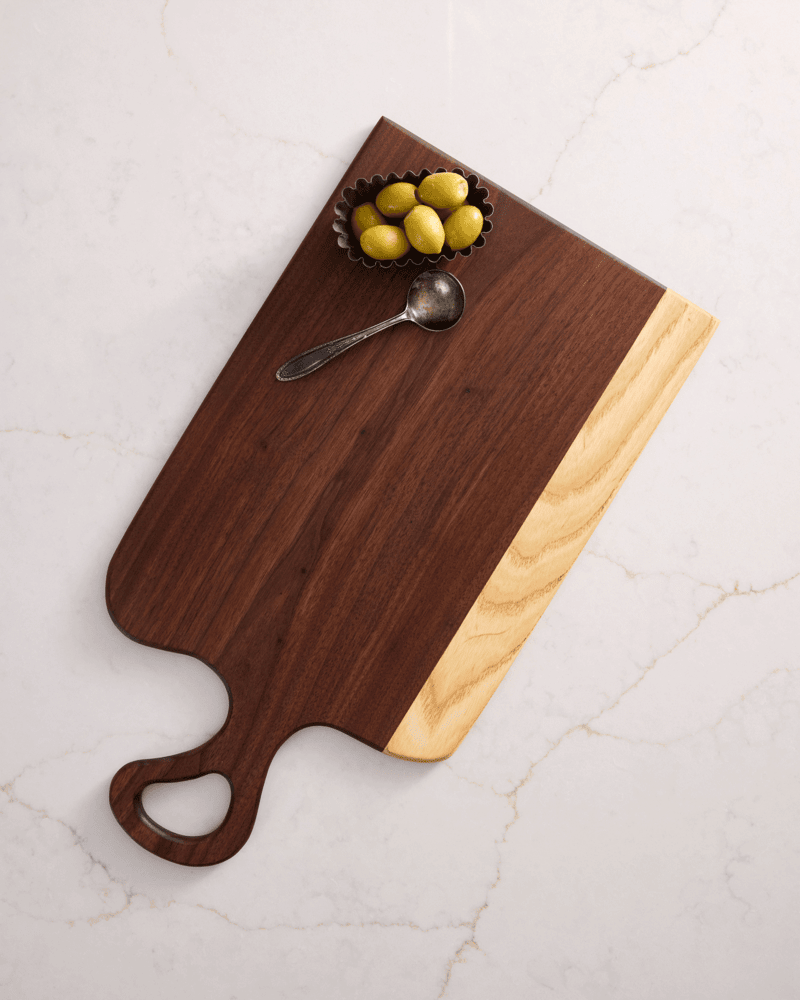
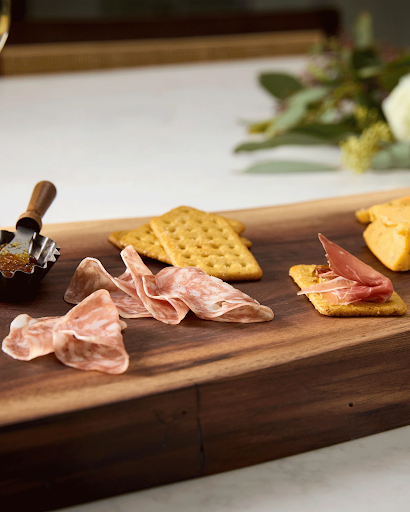
Walnut is often considered one of the best woods for cutting boards when knife protection, aesthetics, and serving versatility matter most.
Key Benefits
- Slightly softer surface that protects knife edges
- Natural antimicrobial properties
- Closed grain that resists moisture
- Ages into a smooth, warm patina
Walnut is often chosen when a board doubles as both a prep surface and a serving piece. Its darker tones make it popular for modern and luxury kitchens.
Best For
- Charcuterie boards
- Everyday prepping with premium knives
- Kitchens wanting a bold, warm aesthetic
See our page on Unique Cutting Board Designs for walnut variations such as live-edge and patterned boards.
Maple Cutting Boards
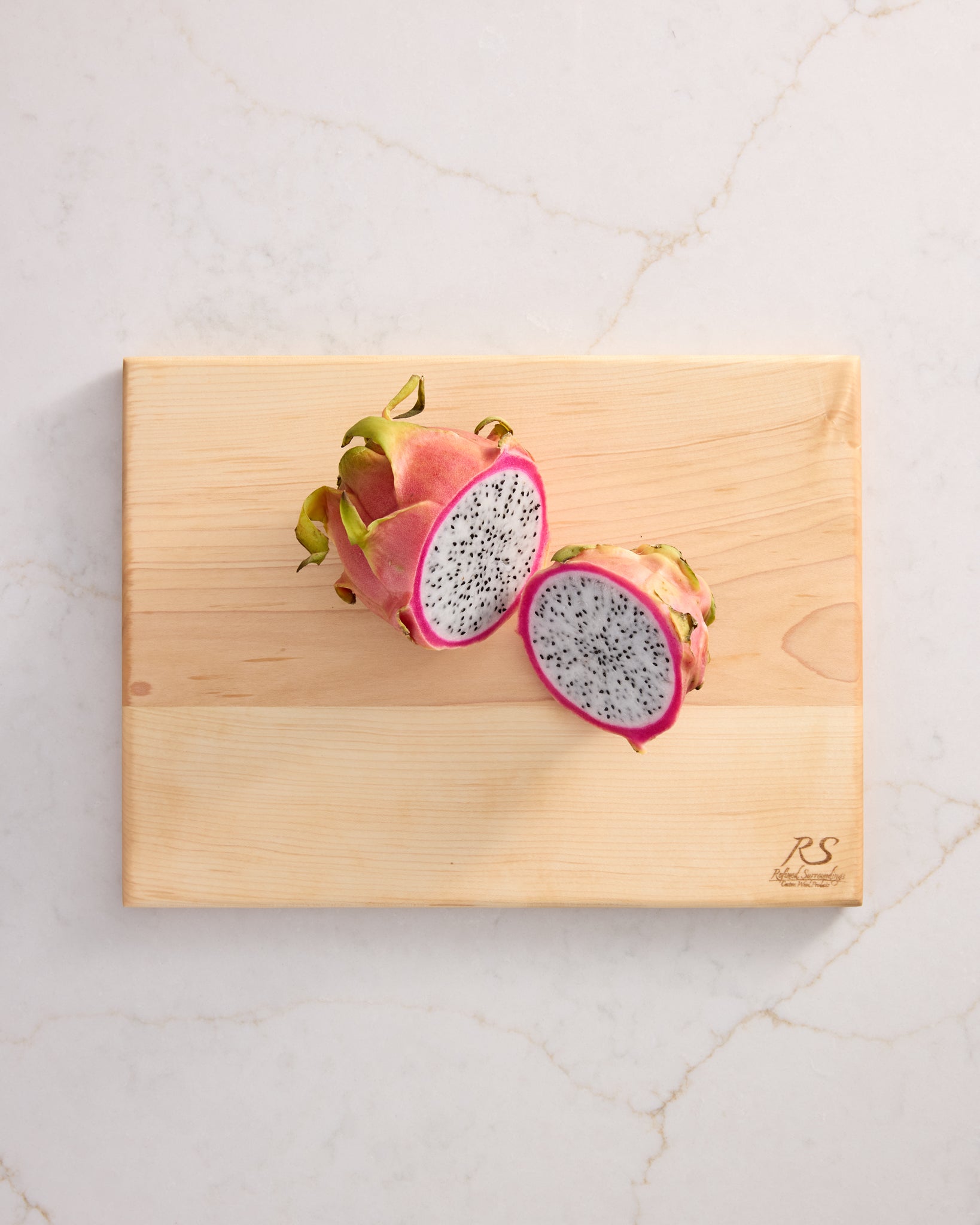
Maple is often considered the best wood for cutting boards for everyday use, offering exceptional durability, stability, and long-term performance in busy kitchens.
Key Benefits
- Very durable and long-lasting
- Tight, closed grain that limits absorption
- Light colour that shows less staining over time
- Excellent stability during daily chopping
Maple offers the perfect balance of hardness and resistance, which is why it’s widely used in professional kitchens.
Best For
- Daily cooking and heavy chopping
- Minimalist kitchens
- Anyone wanting a reliable, long-term work surface
Many consider maple the best wood for cutting boards when durability is the top priority.
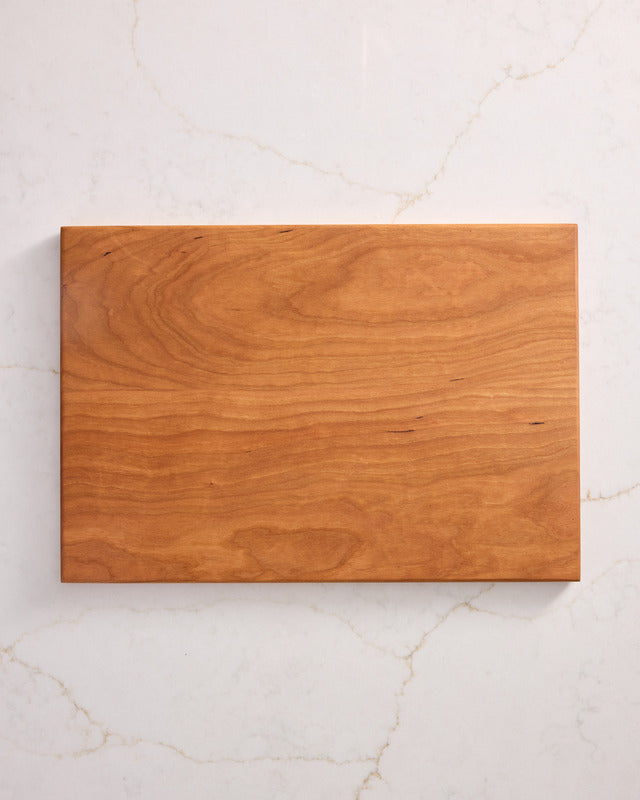
Cherry Cutting Boards
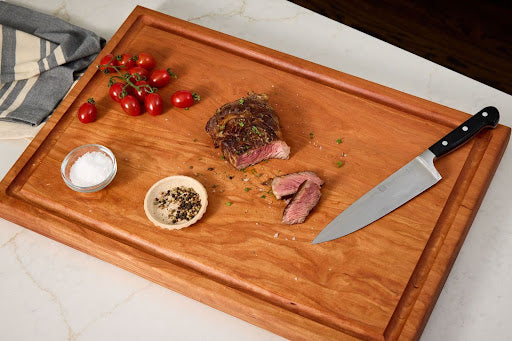
Cherry is one of the best woods for cutting boards when you want a balance of beauty and practicality, sitting comfortably between walnut and maple in hardness, weight, and visual warmth.
Key Benefits
- Warm reddish tone that deepens over time
- Closed grain suitable for safe food prep
- Gentle on knives
- Lighter and easier to handle than many hardwoods
Best For
- Multi-purpose daily use
- Home cooks who like boards that develop character
- Warm, traditional kitchen styles
Cherry boards add a touch of craftsmanship and age beautifully with regular use.
Best Wood for Cutting Boards: Walnut vs Maple vs Cherry
Choosing the best wood for cutting boards depends on how you cook, how often you use your board, and whether it will double as a serving piece. Walnut, maple, and cherry are all excellent hardwood options, but each excels in different roles. Here’s how they compare across the factors that matter most in a working kitchen.
| Feature |
Walnut
|
Maple
|
Cherry
|
|---|---|---|---|
| Hardness | Medium |
Hard |
Medium-hard |
| Knife-Friendliness | Very gentle on blades |
Slightly firmer feel |
Gentle and balanced |
| Durability | High |
Very high |
High |
| Grain Type | Closed grain |
Very tight, closed grain |
Closed grain |
| Food Safety | Naturally antimicrobial |
Naturally antimicrobial |
Naturally antimicrobial |
| Weight | Lighter feel |
Heavier and dense |
Lighter and easy to handle |
| Appearance | Dark, rich, luxurious |
Light, clean, classic |
Warm, reddish tones |
| Best Use | Charcuterie, serving, mixed-use |
Daily prep, heavy chopping |
Multi-purpose, aesthetic kitchens |
All three are among the best woods for cutting boards, with the right choice depending on whether you prioritise durability, knife care, or visual warmth.
Why Hardwoods Outperform Other Materials
Not all materials behave well in a working kitchen. Here’s how common alternatives compare:
Bamboo
Very hard and often glued together, tough on knives and not ideal for long-term food safety.
Plastic
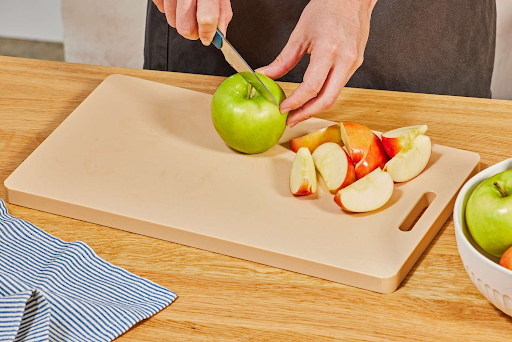
Deep cuts accumulate bacteria, and microplastics can shed into food over time.
Softwoods
Dent easily, absorb water, and harbour bacteria.
Glass or Stone
Extremely hard and unsafe for knives; not suitable as cutting surfaces.
For longevity and performance, hardwoods remain the safest and most dependable option.
Understanding Grain Types
Your wood choice works best when paired with the right grain orientation:
Edge Grain: Durable, stable, and good for everyday chopping.
End Grain: Gentle on knives with self-healing fibres; ideal for heavy prep.
Face Grain: Visually beautiful and perfect for serving boards.
Choosing grain type depends on how you plan to use the board, not just which wood species you select.
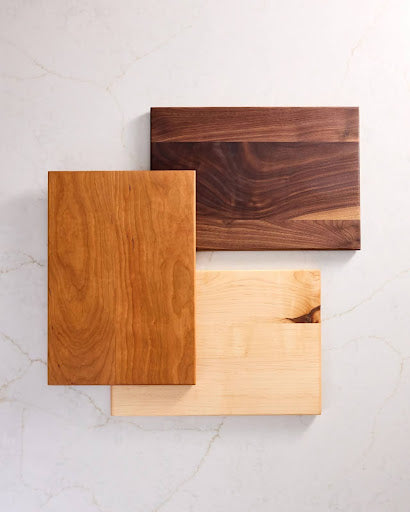
Choosing the Best Wood for Your Needs
For presentation-focused boards, our Custom Charcuterie Board guide explains how each wood influences layout and style.
Caring for Any Hardwood Cutting Board
Proper care keeps walnut, maple, and cherry boards lasting for years:
- Wash by hand with mild soap
- Dry upright
- Oil when the board looks dry
- Keep out of dishwashers
- Use vinegar or a salt-lemon scrub for occasional sanitizing
For step-by-step care, see How to Clean and Maintain Wooden Cutting Boards.
Walnut, maple, and cherry are all excellent choices for cutting boards, each offering its own personality and strengths. Choose the wood that fits your cooking habits, kitchen style, and the way you plan to use your board.
FAQs: Best Wood for Cutting Boards
The best wood for cutting boards is a closed-grain hardwood such as walnut, maple, or cherry. These woods are naturally antimicrobial, gentle on knives, and durable enough for long-term daily use.
Maple is better for heavy daily prep because it’s harder and more durable, while walnut is better for knife care and serving due to its slightly softer surface and rich appearance.
Yes. Cherry is a food-safe hardwood with a closed grain that resists moisture and bacteria. It’s an excellent choice for multi-purpose cutting and serving boards.
Maple generally lasts the longest because of its density and resistance to wear, though walnut and cherry can also last decades with proper care.